
How Long Do Solar Panels Last in the UK?

How Long Do Solar Panels Last in the UK?
If you’re weighing up solar panels, the lifespan question matters more than any sales brochure lets on. I’ve checked manufacturer warranties, UK installer data and the newest 2026 figures so you don’t have to. Short version: panels fitted on British homes today are built to last 25 to 40 years, helped by our mild, bright-but-cool climate.
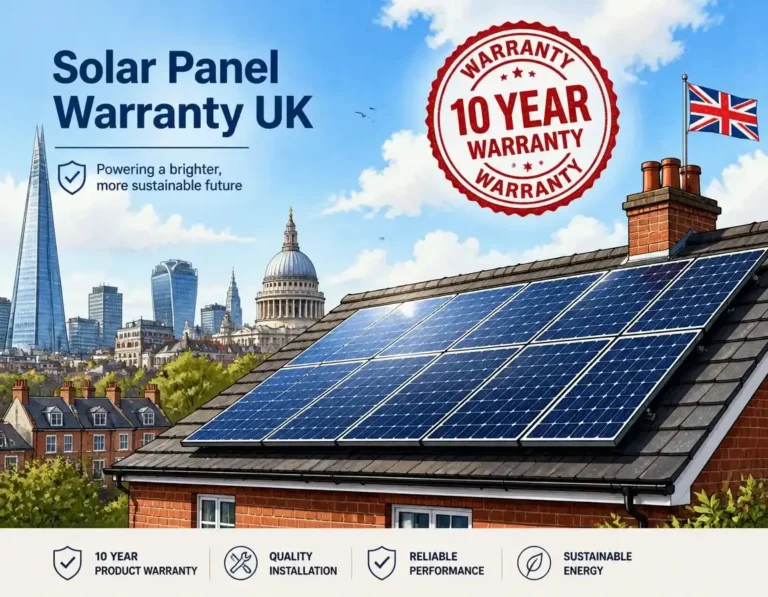
Most UK solar panels carry a 25–30 year performance warranty but realistically keep generating for 30–40 years. Output drops by just 0.3–0.8% a year, so a 20-year-old panel is still doing useful work.
How much does output really drop each year?
Solar panels don’t die suddenly — they fade slowly, a process called degradation. A decent monocrystalline panel loses around 0.3–0.5% of its output annually after a small dip in year one. Budget panels can lose closer to 0.8–1%. The chart below shows what that looks like over three decades. Even on the lower line, you’re still generating useful power well into year twenty — it’s a gentle slope, not a cliff edge.
Lifespan by panel type
Not every panel ages the same way. Monocrystalline is now standard on UK roofs, thanks to slower degradation and longer cover — some premium brands offer 40-year warranties. Polycrystalline is cheaper but fades quicker; thin-film suits flat commercial roofs more than houses. Our Types of Solar Panels guide covers the full trade-offs between them if you’re still choosing.
| Panel type | Typical UK lifespan | Standard warranty | Degradation / year |
|---|---|---|---|
| Monocrystalline | 30–40 years | 25–30 yrs (up to 40 on premium) | 0.3–0.5% |
| Polycrystalline | 25–30 years | 25 years | 0.5–0.7% |
| Thin-film | 20–25 years | 10–20 years | 0.5–0.8% |
It’s not just the panels
Panels usually outlast everything else on your roof. Inverters work harder and typically need swapping once, usually around year 10–15. Battery storage lasts a similar stretch. Cabling and mounting brackets, fitted properly, can quietly outlive the lot.
Why the UK climate actually helps
Here’s something a lot of guides skip: heat speeds up panel degradation, and the UK doesn’t get much of it. 2025 was officially Britain’s warmest and sunniest year on record, with 1,648.5 hours of sunshine, says the Met Office — yet our temperatures stay far below southern Europe. Cooler conditions slow that chemical wear, so panels here can comfortably outlast their rating.
What shortens — and extends — panel life
A few small things make a bigger difference than people expect:
🔻 Shortens it
- Poor or rushed installation
- Heavy shading or moss build-up
- Skipping inspections for years
- Cheap, unrated panels
🔺 Extends it
- An MCS-certified installer
- A clean and gutter check yearly
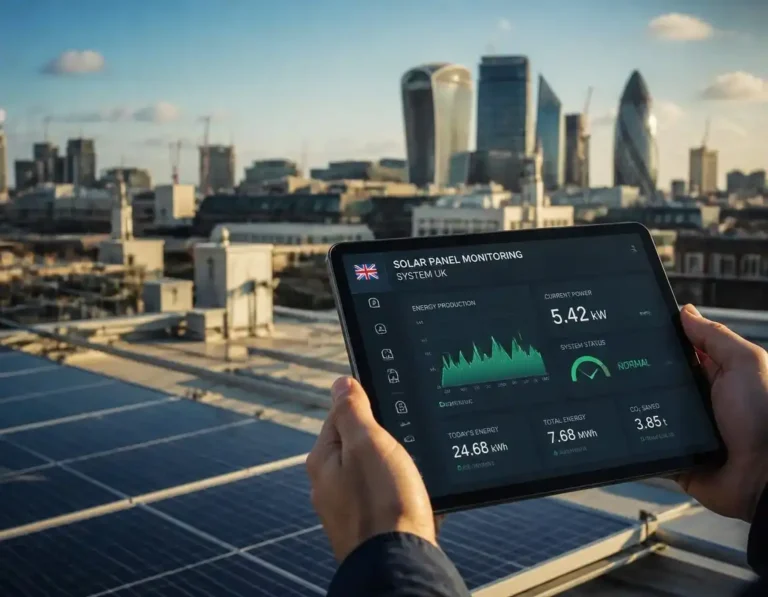
- Watching your monitoring app
- A professional check every 4–5 years
The money side: VAT, warranties and getting paid for spare power
There’s a financial reason to act sooner rather than later. Solar installs — panels, inverter and any battery — currently qualify for 0% VAT across the UK (use our Grant & VAT Savings Checker to see what that’s worth on your own system), a relief due to end 31 March 2027, after which it reverts to the standard reduced rate. Over your system’s life, you can also get paid for spare power through the government’s Smart Export Guarantee, provided your installation is MCS-certified — our SEG Income Estimator gives you a rough figure for your own home. Over 2 million UK homes were running on solar by March 2026, according to the government’s own solar photovoltaics deployment statistics.
Simple upkeep that adds years
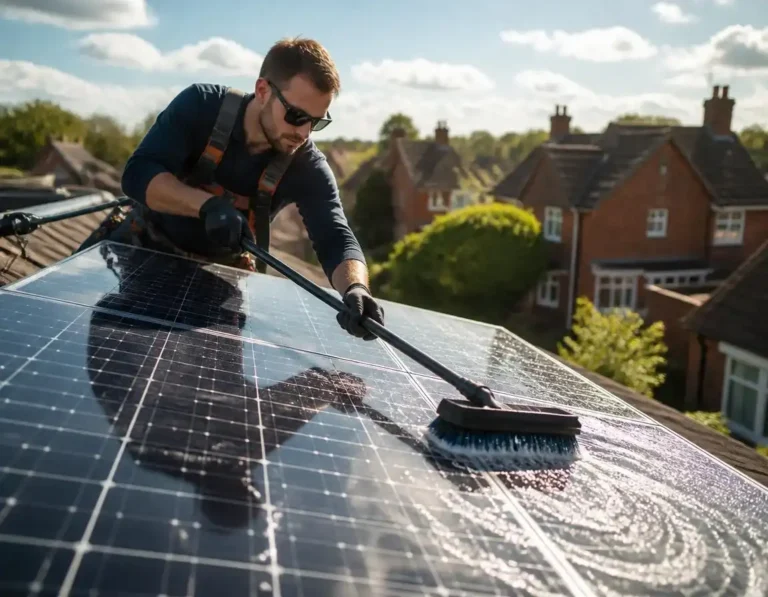
A bit of basic care goes a long way — our Maintenance & Cleaning guide covers all of this in more depth, but the short version is:
- Clear leaves and debris twice a year
- Keep nearby gutters flowing freely
- Check your monitoring app for sudden drops
- Book an MCS-registered inspection every 4–5 years
- Skip the jet wash — a soft brush and rainwater is plenty
Frequently asked questions
How long do solar panels actually last in the UK?
Most panels carry a 25–30 year performance warranty, but real-world data shows 30–40 years is realistic for a well-installed system, helped along by our cooler climate.
Do solar panels stop working after 25 years?
No — they don’t switch off. They degrade gradually, losing roughly 0.3–0.8% output a year, so a quality panel still produces around 85–90% of its original power at the 25-year mark.
How can I make my solar panels last longer?
Use an MCS-certified installer, clear debris from the panels twice a year, watch your monitoring app for sudden dips, and book a professional inspection every four or five years.
New to all this? Start with our plain-English Beginner’s Guide. Weighing up cost against lifespan? See Solar Panel Cost. Ready to get quotes from a properly vetted installer? Read Find an Installer.
Solar panels are one of the few home upgrades that quietly outlast the finance plan you used to buy them. Look after the basics, pick a certified installer, and decades of free daytime power follow.

4 Comments