Solar Diverters

Not every UK home with solar panels needs a battery to stop wasting free electricity — a solar diverter is the cheaper, simpler alternative, and that’s what this category covers.

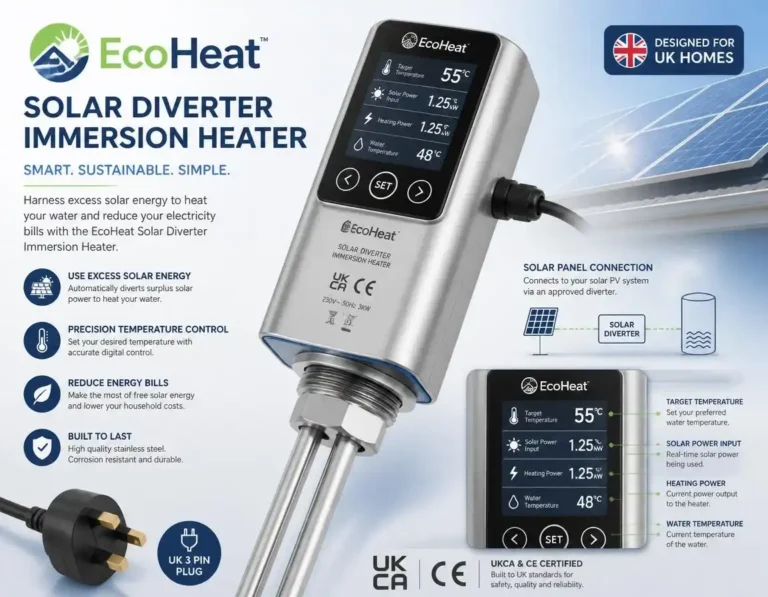
A solar diverter is a small device fitted near your hot water cylinder that spots the moment your panels are generating more power than your home is using, then automatically routes that spare electricity into your immersion heater instead of letting it export to the grid for a few pence a unit. No planning permission is needed, and most installs take under half a day. Without one, most UK homes send 60–70% of their solar generation straight back to the grid. A diverter typically lifts your own self-consumption from around 30% up to roughly 50%, turning sunny afternoons into free hot water rather than pennies from the Smart Export Guarantee.

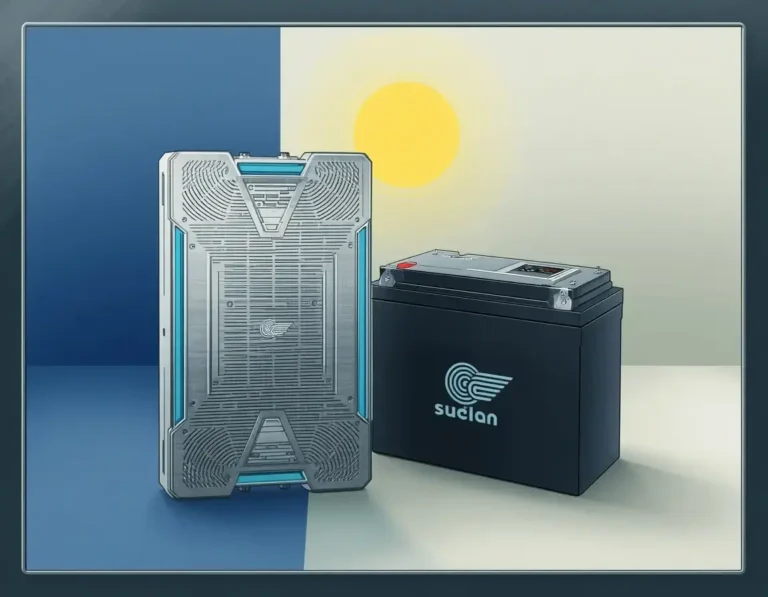
Compared with a battery, the numbers are hard to ignore. A solar diverter costs £300–£500 fitted, saves a typical household £150–£300 a year, and usually pays for itself in one to three years. A battery, by contrast, starts around £3,500 with payback closer to nine or twelve years. A diverter is the obvious first step if your budget doesn’t stretch to storage yet, or a sensible add-on if it does.

Three models come up again and again in UK installs. The myenergi Eddi is the most widely fitted solar diverter in the country and pairs neatly with a myenergi Zappi EV charger, priced around £300–£450 installed. The iBoost+ by Immersun is the straightforward, no-frills choice at £250–£400. And the Solar iBoost Buddy is the budget pick, still with app-based monitoring, from around £200–£350 installed.

Browse our guides below on choosing, sizing and installing a solar diverter for a UK home, and how it compares to battery storage and the Smart Export Guarantee.

You Might Have Questions

Q1. What is a solar diverter and how does it work?
A. A solar diverter is a small device fitted near your hot water cylinder that detects when your solar panels are generating more electricity than your home is using. It automatically redirects that surplus power into your immersion heater to heat your hot water, instead of exporting it to the grid for a few pence per unit through the Smart Export Guarantee.

Q2. How much does a solar diverter cost in the UK?
A. Most solar diverters cost between £300 and £500 fitted. Popular UK models include the myenergi Eddi (£300–£450 installed), the iBoost+ by Immersun (£250–£400), and the budget-friendly Solar iBoost Buddy (£200–£350). Most pay for themselves within one to three years through lower water heating costs.

Q3. Is a solar diverter better than a solar battery?
A. It depends on your budget and goals. A solar diverter is far cheaper (£300–£500 versus £3,500+ for a battery) and pays back faster, but it only heats water rather than powering appliances or lights in the evening. Many UK homeowners start with a diverter and add a battery later, since the two work well together.