
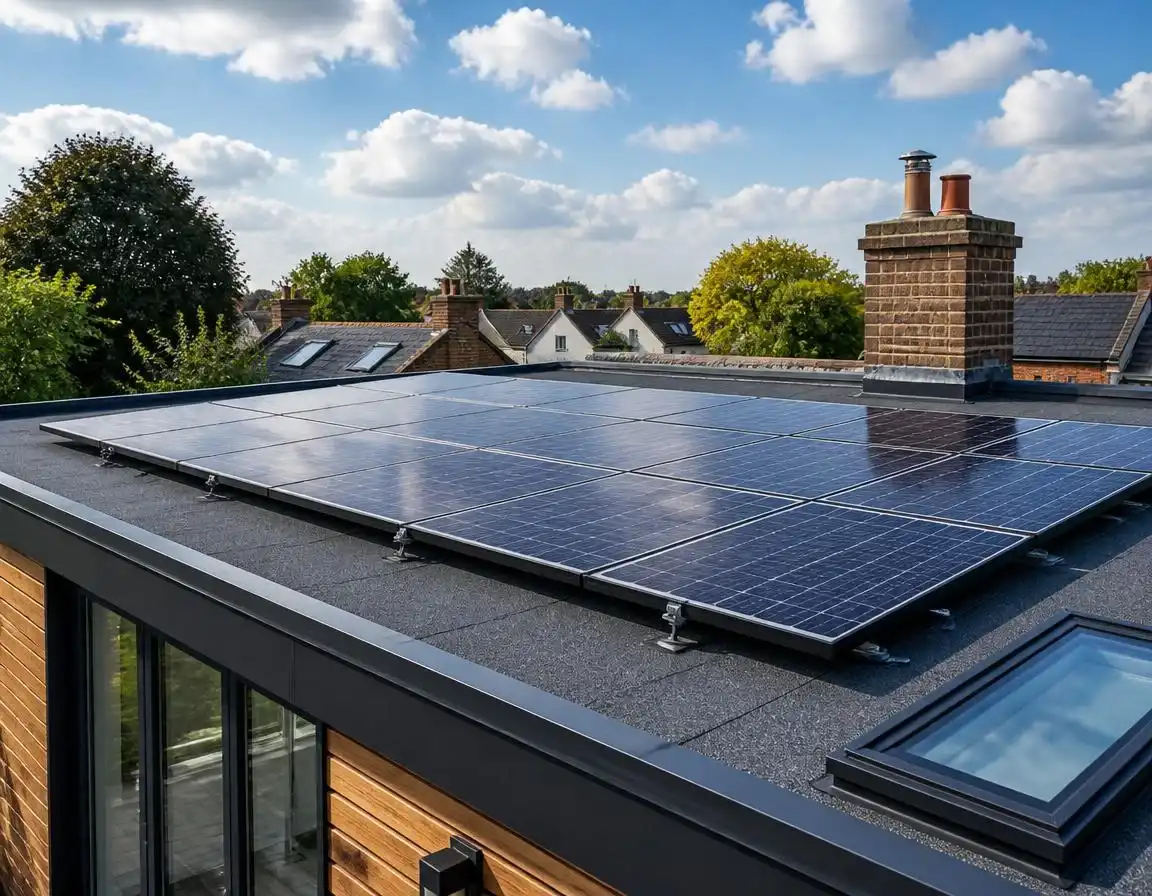
Solar Panels for Flat Owners UK

Solar Panels for Flat Owners UK: 2026 Costs, Rules & Options
If you live in a flat in the UK, you’ve probably thought about solar panels and then remembered you don’t actually own the roof. Fair point. Flats are trickier than houses when it comes to solar, and most guides either ignore that or jump straight to systems only big blocks can use. Here’s what’s genuinely possible for flat owners in 2026, including a brand-new option that didn’t exist a year ago, plus real costs and savings. (New to solar altogether? Our Beginner’s Guide covers the basics first.)
Can Flat Owners Actually Get Solar Panels?
The honest answer: it depends what you own. If you hold the freehold of the whole building, you’ve got the same rights as any other homeowner. But most flat owners are leaseholders, and the roof usually belongs to the freeholder as a “retained part” — even if you live on the top floor. Around seven in ten leasehold homes in England are flats, so this situation is the norm, not the exception.
Some blocks have a “share of freehold”, where the leaseholders jointly own the building, often through a residents’ management company (RMC). If that’s you, the decision is yours and your neighbours’ to make together, usually by a simple vote. Either way, someone’s permission is normally needed before a single panel goes up.
Your Three Realistic Routes to Solar
Solar for flats isn’t all-or-nothing. There are three genuine routes open to UK flat owners in 2026, and which one fits depends entirely on what you have access to. For every angle on apartment solar, our full apartments & flats hub pulls it all together.
Balcony / plug-in solar
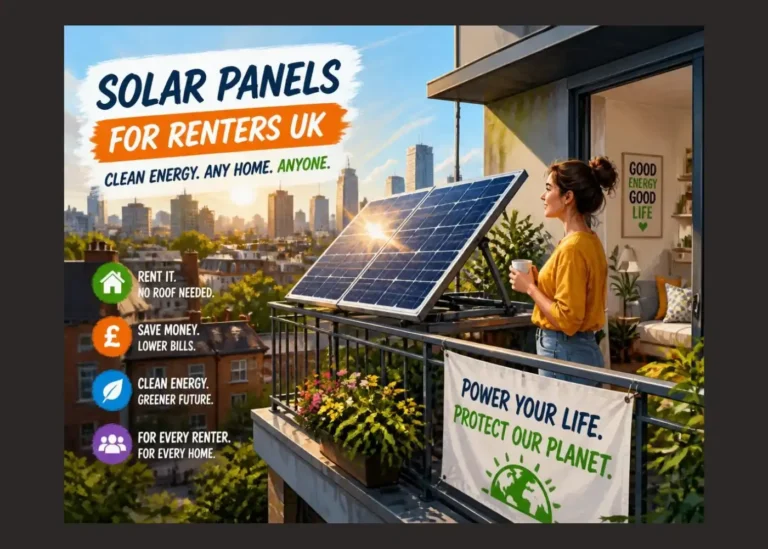
One or two small panels on a balcony rail, plugged into a normal socket. No roof needed at all.
800W maxCommunal rooftop system
One shared array on the block’s roof, split across all the flats or used to cut communal bills.
Whole-blockGround-mounted shared array
Panels on shared garden, courtyard or car park land, owned and used jointly by residents.
Needs land| Route | Best for | Typical cost | Saving per flat / year | Permission needed |
|---|---|---|---|---|
| Balcony / plug-in solar (800W max) | South or south-west facing balcony, no roof access | £570–£800 fitted | £100–£200 | Quick DNO notification; check your lease on balcony fixtures |
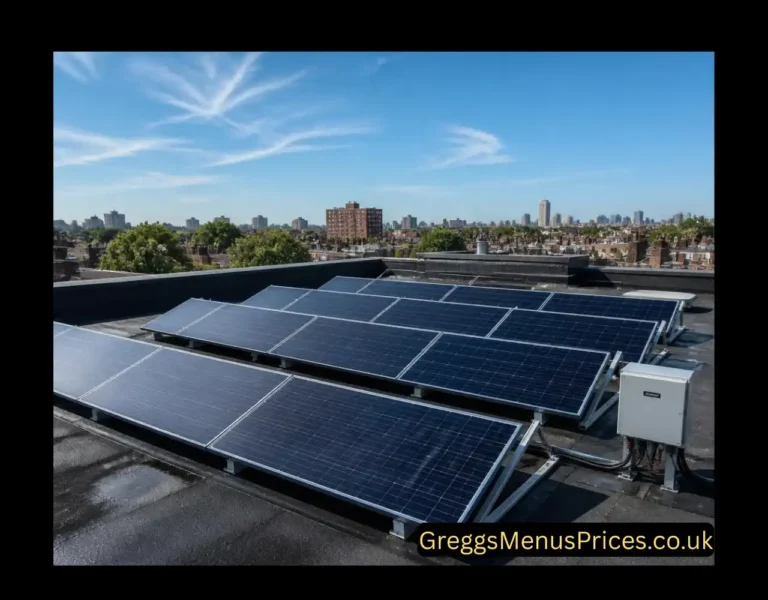
| Communal rooftop system | Blocks with a flat, freeholder-owned roof | £12,000–£25,000 (10–20 flat block) | £180–£400 | Freeholder/RMC consent + MCS-certified installer |
| Ground-mounted shared array | Blocks with shared garden or car park space | £10,000–£15,000 | £150–£300 | Freeholder consent + possible planning permission |
Getting the Green Light From Your Freeholder
Most leases include a “qualified covenant” — your freeholder can refuse consent, but only for a sensible reason, not just because they fancy saying no. A smaller number have a stricter “fully qualified” covenant, where unreasonable refusal isn’t allowed at all. Either way, the trick is making it easy for them to say yes.
A solid written request should include a quote from an MCS-certified installer, the likely saving on service charges, a Smart Export Guarantee income estimate, and confirmation that 0% VAT applies. Freeholders and managing agents respond far better to numbers on a page than to good intentions. If your block has an RMC, you may be able to put it to a resident vote instead of waiting on one landlord’s decision.
What Will It Cost — and What Will You Actually Save?
Here’s a real snapshot of 2026 UK pricing across the three routes covered above.
A balcony kit pays back fastest because it costs so little upfront. A shared rooftop system costs far more to install, but split across fifteen or twenty flats, each household’s share drops to a few hundred pounds, with full payback typically inside ten years once VAT relief and export income are counted in.
Since most UK blocks have a technically flat roof, our flat roof solar cost guide is worth reading before you approach your freeholder about a communal system. And to see how these numbers compare with a standard house, try our Solar Panel Calculator.
Quick savings check
Pick a route to see typical costs, savings and payback for 2026.
Do You Need Planning Permission?
Good news here: most domestic solar installations count as “permitted development”, meaning you don’t need to apply to the council at all. This generally covers roof-mounted panels that protrude no more than 200mm on a pitched roof, or up to 0.6 metres on a flat roof, and stay below the ridge height. Listed buildings and some conservation areas are the main exceptions, where extra consent is needed regardless of who owns the roof.
You can check the exact rules for your address on the Planning Portal, the official government-backed planning guidance service for England and Wales. Worth remembering: planning permission and freeholder consent are two separate hurdles. Clearing one doesn’t clear the other.
Balcony Solar: The New Option Worth Knowing About
This is the genuinely new development for 2026. Since 15 April 2026, plug-in (balcony) solar panels are legal in the UK for the first time, under an update to the wiring regulations called BS 7671 Amendment 4. Systems are capped at 800W — usually two small panels feeding a microinverter that plugs into a normal socket.
You still need to notify your electricity network operator (a short online form, not a planning application), and for now a registered electrician should make the connection until simpler, DIY-certified kits land later in the year. For flats with zero roof access, this is the first proper legal solar option the UK has ever had.
For the full legal picture, kit costs and the DNO notification process step-by-step, see our complete guide to plug-in solar panels.
2026 Grants and Money-Off Schemes Worth Checking
Solar panels and batteries still carry 0% VAT across Great Britain, a relief due to run until 31 March 2027 — a solid reason to move this year rather than next. If you or a fellow leaseholder claims Pension Credit, Universal Credit, or another qualifying benefit, and your flat’s EPC rating is D or below, the ECO4 scheme can fund a full installation at no cost to you.
Smart Export Guarantee tariffs for surplus electricity sold back to the grid currently run from roughly 8p to 15p per kWh, depending on supplier — see our full SEG tariff comparison for the current best rates — which can meaningfully offset a communal system’s running costs over time.
My honest take
- Balcony solar is brilliant if you’ve got no other option — quick, cheap and now properly legal.
- A shared rooftop system gives far more electricity and a better long-term return if your block can get organised.
- Either way: check your lease, get quotes from MCS-certified installers, and put real numbers in front of whoever holds the decision.
Solar for flats in the UK has gone from “basically impossible” to “genuinely workable” in about a year, and 2026 looks set to be the year it really takes off.

2 Comments