Solar Panels for Farms

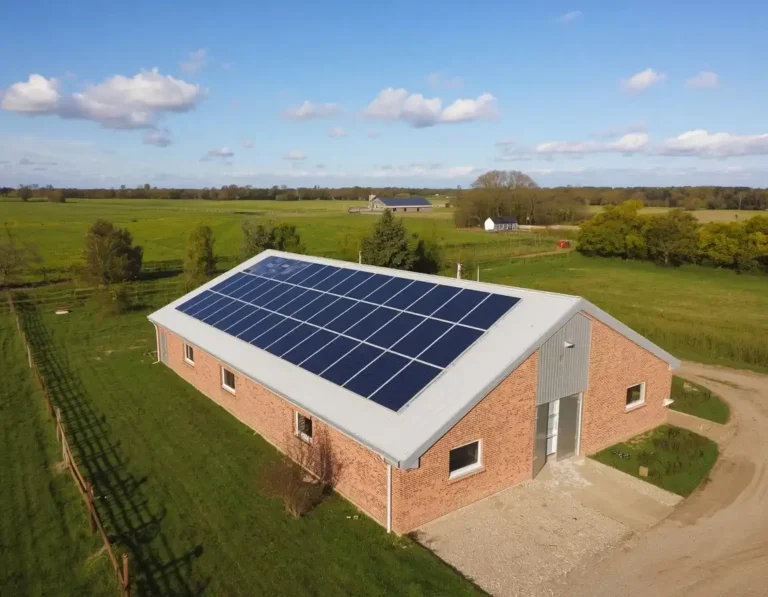
Farms are, in many ways, the ideal environment for solar power. Large south-facing barn roofs, high daytime electricity consumption that aligns naturally with peak solar generation, and commercial electricity bills that make every unit of self- generated power worth 25–30p. Add in the 2026 grant and tax landscape and the case for farm solar becomes genuinely compelling.

A typical UK farm solar installation ranges from 30kWp for a small barn or dairy parlour to 200kWp or more for large poultry units or arable operations with grain dryers. A 50kWp system on a barn roof generates around 45,000kWh per year — saving £11,000 or more annually at current commercial electricity rates.

The Farming Equipment and Technology Fund (FETF) covers 25% of eligible installation costs, with grants ranging from £15,000 to £100,000 per business. VAT-registered farms can also reclaim 20% VAT on commercial installations, while the Annual Investment Allowance (AIA) allows the full system cost to be offset against taxable profits in year one — reducing net outlay by up to 25% at corporation tax rates.

Most agricultural buildings benefit from permitted development rights, so no planning permission is needed for rooftop installations in the majority of cases. Ground-mounted arrays on farmland may require planning consent, but agrivoltaic arrangements — where sheep graze beneath panel rows — can preserve the agricultural use of the land.

TOP 3 AGRICULTURAL SOLAR TYPES (2026 INSTALLED COSTS)

  1. Small barn / dairy parlour (under 50kWp) £900–£1,100/kW | Total: £18,000–£55,000 | Payback: 3–5 yrs
  2. Medium livestock / grain store (50–250kWp) £800–£950/kW | Total: £40,000–£237,500 | Payback: 4–6 yrs
  3. Large multi-bay barn / poultry unit (250kWp+) £700–£850/kW | Total: £175,000–£450,000+ | ROI: 25–35%/yr

After the FETF grant and AIA tax relief, a 50kWp dairy farm system costing £48,000 can fall to a net outlay of around £27,000, with annual savings of £11,000 giving a payback of just 2.5 years. That is one of the strongest return-on-investment cases in UK agriculture right now.

You Might Have Questions

Q1: What grants are available for solar panels on farms in 2026?

A1: The Farming Equipment and Technology Fund (FETF) provides a 25% capital grant for farm solar, with individual grants ranging from £15,000 to £100,000. The Annual Investment Allowance (AIA) allows the full cost to be deducted from taxable profits in year one. VAT-registered farms can also reclaim the 20% VAT on commercial installations. Scottish and Welsh farms may have access to additional devolved grant schemes.

Q2: Do farm solar panels require planning permission?

A2: In most cases, no. Rooftop solar installations on agricultural buildings are covered by permitted development rights under Class A Part 14 of the GPDO 2015, meaning no planning application is required. Exceptions include listed agricultural buildings, National Parks, and some conservation areas. Ground-mounted systems on agricultural land may require planning permission if above certain size thresholds.

Q3: How long is the payback period for farm solar in the UK?

A3: Payback periods for farm solar in the UK typically range from 2.5 to 6 years depending on system size, self-consumption rate, and grant funding received. A 50kWp dairy farm system, after FETF grant and AIA tax relief, can pay back in as little as 2.5 years, with annual savings of approximately £11,000 at current commercial electricity rates of 25–30p/kWh.