The 2026 UK Solar Company Collapse List -Claude ready

Two big, genuinely well-known names in UK solar have gone into administration this year. I’ve dug through the actual court filings and administrator reports rather than repeating rumours — here’s exactly what happened, in plain English.
Why Is This Happening in the Middle of a Solar Boom?
Here’s the bit that seems contradictory at first: 2025 was the UK’s biggest year for solar ever, with 267,032 MCS-certified systems installed — a 31% jump on the previous record, set back in 2011. So how do two well-funded, well-known names go under in the same period?
The honest answer is margin pressure, not lack of demand. Falling panel and battery prices from lower-cost overseas manufacturers have been brilliant for buyers but brutal for UK manufacturers trying to compete on hardware margin. On the project-development side, the risk sits in a completely different place: large contractors carrying construction and financing exposure on multi-million-pound projects, where a handful of bad contracts can sink a much bigger, older business. Both of the cases below fit one of those two patterns exactly.
The 2026 Timeline, in Order
- April 2025Star Solar Ltd — voluntary liquidation
A company connected to Trident West Industries through a common director enters voluntary liquidation.
- 28 October 2025Trident West Industries Ltd wound up by the High Court
Following an Insolvency Service investigation into cold-call fraud targeting elderly homeowners over false grant refund promises.
- February 2026Hive Energy files notice of intent
Formal notice of intention to appoint administrators filed, just months after securing a £60m UKEF-backed loan guarantee.
- 12 March 2026Hive Energy Ltd enters administration
Joint Administrators from PwC appointed. Total exposure linked to the business and its construction subsidiary totals roughly £129.7m.
- 2 April 2026Hive Energy sold out of administration
Business and assets sold to Hive New Energy Ltd, a connected party, for £14.5m.
- 7 April 2026GivEnergy files notice of intent
GivEnergy Ltd files a Notice of Intention to Appoint Administrators, a short protective step ahead of formal administration.
- 9 April 2026GivEnergy Ltd enters administration
All 74 staff made redundant, company ceases trading, following a 2024 operating loss of £6.5m.
Case One: GivEnergy — The One That Actually Affects Homeowners
GivEnergy Ltd
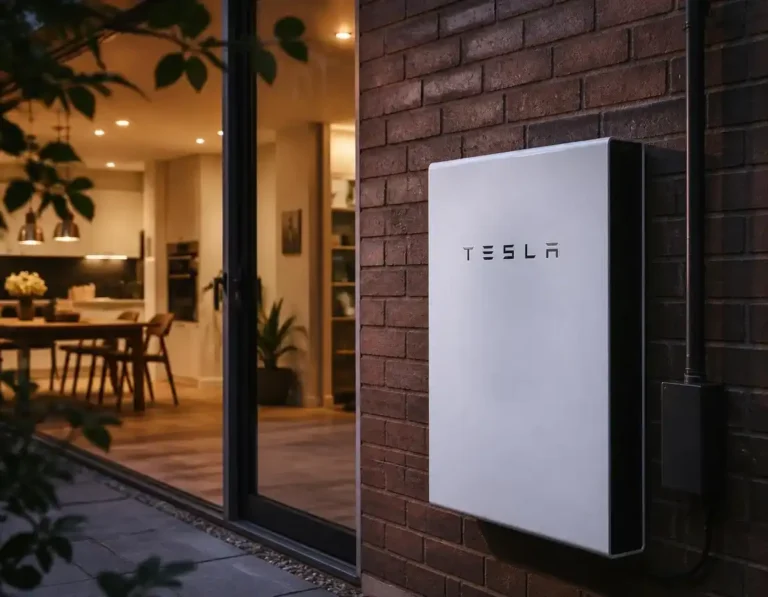
If you’ve got a solar battery or a hybrid inverter fitted in the UK, there’s a decent chance it’s a GivEnergy. It was, until this year, one of the most recognised names in residential storage — hybrid inverters, home batteries, EV chargers, the lot. The 2024 annual report showed revenue of £50.3 million but an operating loss of £6.5 million, a sharp reversal from a £6.2 million profit the year before. Falling margins and intense competition from lower-cost overseas manufacturers are cited as the main contributing factors.
Your equipment still works — but the warranty route is closed
This is the single most important thing to understand: administration is a company insolvency process, not a hardware fault. If you already have a GivEnergy battery or inverter, it keeps storing and releasing electricity exactly as it did before — the hardware doesn’t need GivEnergy’s servers to function. What’s changed is more serious than just “affected,” though: the administrator has confirmed directly that no further hardware warranties will be honoured by GivEnergy Ltd, so your first port of call for any fault is now your original MCS-certified installer, not the manufacturer. Our full GivEnergy administration explainer walks through your warranty, app access and Section 75 options in detail, and our GivEnergy Battery Review and Best Solar Battery UK 2026 guide cover where things stand if you’re weighing up alternatives now. If you’re comparing new brands, our Growatt vs SolaX vs GivEnergy comparison covers exactly what’s changed for buyers.
Case Two: Hive Energy — A Different Kind of Collapse Entirely
Hive Energy Ltd
Hive Energy isn’t a name most homeowners will recognise, and that’s worth explaining rather than glossing over. Founded in 2010 by Giles Redpath, it developed utility-scale solar projects — big solar farms, not rooftop panels — across more than 20 countries, including the UK. It didn’t collapse because of retail solar demand; it collapsed because of exposure through its construction subsidiary, Ethical Power Group, which ran into cost overruns and liquidated damages claims on major projects. Its sole secured creditor, HSBC, was owed roughly £20.2 million.
The genuinely newsworthy part: Hive Energy had received a £60 million loan guarantee from UK Export Finance, announced in November 2025, just months before filing its notice of intent. The business was sold out of administration to Hive New Energy Ltd — a connected party jointly controlled by CEO Giles Redpath — for £14.5 million on 2 April 2026.
Why this one matters even if it’s not “your” company
Hive Energy is a good example of why it pays to check exactly who you’re dealing with before assuming a name is a household brand. If your own panels were fitted by a small local installer, this particular collapse has zero direct impact on your system — but it’s a genuine story about taxpayer-backed lending and industry structure worth knowing about if you follow UK solar policy.
Case Three: Trident West Industries — Not a Business Failure, a Fraud Shutdown
Trident West Industries Ltd & Star Solar Ltd
This one belongs in a completely different category, and I want to be clear about that rather than lump it in with genuine business failures. The Insolvency Service investigated Trident West Industries after elderly consumers were targeted through cold calls and unsolicited home visits, with sales staff promising government grant refunds to cover the cost of solar equipment and maintenance that were never delivered. More than £3.1 million was paid into bank accounts of the two now-defunct companies between May 2023 and January 2025. A connected company, Star Solar Ltd, sharing a common director, went into voluntary liquidation in April 2025.
The line between “gone bust” and “was a scam”
A genuine company failure (like GivEnergy or Hive Energy) usually means real products, real installations, and a real financial struggle. A fraud shutdown like this one means the company was never operating honestly to begin with. If a cold caller offers you a grant refund that sounds too good to check, that’s the exact pattern that led here — our Solar Panel Scams: 7 Red Flags guide covers precisely this kind of approach.
The Three Cases, Side by Side
| Company | Type of collapse | Who it directly affects | Date |
|---|---|---|---|
| GivEnergy Ltd | Administration (margin/competition) | Existing battery & hybrid inverter owners | 9 Apr 2026 |
| Hive Energy Ltd | Administration (contractor exposure) | Industry/taxpayer, not homeowners directly | 12 Mar 2026 |
| Trident West Industries / Star Solar | Fraud — wound up by court order | Victims of cold-call mis-selling | 28 Oct 2025 |
It’s Not Just the Big Two
This page focuses on the two largest, most consequential collapses because they’re the ones most likely to touch your own system or your own money. But they’re not the only UK solar businesses to stop trading in 2026 — smaller regional installers have gone under too, generally for the same reason: cash flow, not fraud. Our guide to what to do if your installer goes bust walks through real 2026 examples on that smaller scale, alongside the exact steps to protect your deposit and finish an unfinished job — worth a read whether or not either of these two names applies to you directly.
How to Protect Yourself Before, During and After
This isn’t the deep-dive on this topic — our dedicated Solar Installer Gone Bust Mid-Install? guide covers the full process if you’re actually facing this right now. Here’s the short version:
- 1Check MCS certification first.
Confirm any installer or manufacturer holds active MCS certification — it’s required for SEG eligibility and is a genuine quality signal.
- 2Ask about deposit protection.
RECC members carry insurance-backed deposit and workmanship warranty cover; HIES offers similar cover up to £5,000.
- 3Pay by credit card where you can.
Section 75 of the Consumer Credit Act can offer protection on purchases between £100 and £30,000 if a company fails mid-order.
- 4Separate the installer’s warranty from the manufacturer’s.
Check our Solar Panel Warranty UK: What’s Covered guide — the two are rarely the same thing, and one surviving doesn’t guarantee the other does.
- 5Verify a company’s live status yourself.
Search any UK company for free on Companies House before signing anything — it takes thirty seconds and shows administration status immediately.
Does This Mean UK Solar Is in Trouble?
Not really, no — and it’s worth saying that plainly rather than leaving the impression these two cases add up to an industry crisis. 267,032 MCS-certified systems went in during 2025 alone, a genuine record. What’s happening is closer to a normal shakeout: margins are tighter than they were a few years ago, overseas manufacturing has got seriously competitive on price, and that inevitably squeezes a handful of businesses that expanded fast or carried the wrong kind of risk. It’s exactly the kind of environment where checking a company’s certification and financial standing before you sign matters more than it used to, not a reason to put off going solar altogether. If you’re currently comparing quotes, our £10k+ for 4 kW Solar Quote? Here’s What MCS Data Really Shows piece is a useful sanity check on pricing before you commit to anyone.
UK Solar Company Collapses: Your Questions Answered
The Bottom Line
Two confirmed administrations and one fraud shutdown in 2026 — that’s the honest scope of the big cases right now, not a hidden pile of failures nobody’s talking about. GivEnergy is the one that matters most if you’re an existing solar owner; Hive Energy is more of an industry and taxpayer story; Trident West was never a legitimate operation to begin with. The single best habit to take from all three: check MCS certification, check Companies House, and keep your warranty paperwork somewhere you can actually find it.
Weighing up a new system and want to install with confidence? Start with our MCS certification guide and scam red flags guide before you get any quotes.
Sources: administrator filings and reporting on GivEnergy Ltd and Hive Energy Ltd; UK Insolvency Service investigation into Trident West Industries Ltd; Companies House public record; MCS 2025 installation data. This article will be updated if further confirmed administrations are reported. It is not financial or legal advice — always verify a company’s current status directly via Companies House before making a purchasing decision.