

Solar Panel Insurance UK 2026

Solar Panel Insurance UK 2026: What’s Covered (and What Isn’t)
Most people assume their panels are fully protected the moment they go up. That assumption can cost thousands. Here’s exactly what you need to know, from roof-mounted arrays to the new wave of plug-in solar kits, before anything goes wrong.
You’ve either just had solar panels fitted, or you’re seriously thinking about it. Either way, there’s a question most people completely overlook until something goes wrong on the roof: are your panels actually covered by your home insurance?
The good news? Usually, yes. The bad news? There’s a catch that catches a lot of people out, and it can void your entire policy, not just your solar claim. We’ve dug into what UK insurers actually cover in 2026, what they don’t, and the newer questions around battery storage, financed panels and plug-in solar kits that most guides still skip.
Are Solar Panels Covered by Home Insurance in the UK?
In most cases, yes. Roof-mounted solar panels are treated as permanent fixtures to your home, much like roof tiles, guttering, or a chimney stack. That means they fall under your buildings insurance, not contents. If a storm lifts a panel or someone vandalises your array, you’d normally be covered under your existing policy.
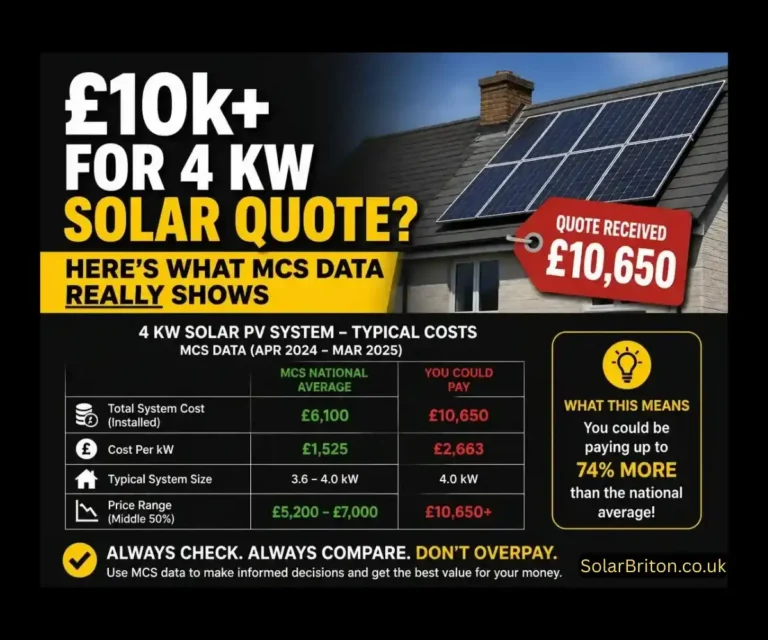
With over 2 million solar installations now on UK homes, and new-build properties in England legally required to include solar PV from 24 March 2027 under the government’s Future Homes Standard, insurers are well used to dealing with them by now. The Energy Saving Trust puts the average domestic system at 3.5kWp, costing around £6,100, while a fully installed 4kWp setup typically runs £6,500 to £8,500. Either way, that’s a meaningful addition to your rebuild value, and worth protecting properly. If you’re weighing up what size system your home actually needs, our guide to solar panels for a 3-bedroom house breaks the costs down by system size.
The One Thing That Can Void Your Entire Policy
This is where most people come unstuck. Installing solar panels is a major change to your home, and you must tell your insurer about it before the system goes in, not after.
Solar panels add to the rebuild value of your home, so you’ll also need to increase your sum insured to reflect that. If your home was valued at £250,000 to rebuild and you’ve spent £8,000 on solar, your updated rebuild value should be at least £258,000. Many policies also apply single-item limits, a cap on how much they’ll pay out for any one item, so a solar system worth several thousand pounds may need declaring separately even if your overall sum insured looks generous enough. Miss either step and you could be underinsured even if your insurer does cover the panels.
What’s Covered — and What Isn’t
Knowing exactly what your policy includes is where the detail really matters. Here’s how standard buildings insurance stacks up against a specialist solar panel policy:
| Type of Risk | Standard Buildings Insurance | Specialist Solar Insurance |
|---|---|---|
| Storm & wind damage | ✔ Usually included | ✔ Included |
| Fire & lightning | ✔ Usually included | ✔ Included |
| Vandalism | ✔ Usually included | ✔ Included |
| Theft (roof-mounted) | ⚡ Varies — check policy | ✔ Included |
| Accidental damage | ⚡ Optional extra, not standard | ✔ Usually included |
| Ground-mounted or plug-in panels | ⚡ May need a contents extension | ✔ Included |
| Inverter failure | ✗ Not covered | ⚡ Some policies include it |
| Loss of generation income | ✗ Not covered | ✔ Available as add-on |
| Normal wear & tear | ✗ Excluded | ✗ Excluded |
Accidental damage is the one that really surprises people. Roughly one in five UK buildings insurance policies includes it as standard, the rest charge extra. So if a roofer accidentally drops a tool onto your panel during other maintenance, you might not be covered at all unless you’ve specifically added that optional extra. It’s also worth checking your policy’s exact definition of “storm”, some insurers only pay out above a set wind speed, often around 55mph, so ordinary wet and blustery weather might not qualify even if it feels dramatic at the time.
How Much Does Solar Panel Insurance Actually Cost in 2026?
Costs based on a standard 3.5–6kWp residential system, UK 2026 pricing. Specialist policy figures cross-checked against multiple UK solar insurance providers.
🏠 Add to your home policy
£25–50/yrBest for most homeowners with standard roof-mounted systems. Simply notify your insurer, update your rebuild value, and check the policy covers storm, fire, and theft.
⚡ Specialist solar policy
£70–120/yrWorth it for large systems (8kWp+), ground-mounted arrays, or if you want cover for lost generation income when panels aren’t producing due to damage.
Battery Storage, Finance Deals, and Plug-In Solar
If you’ve added a solar battery, which more and more households are doing, check where it sits in your cover. A wall-mounted battery inside your home or garage usually falls under buildings insurance. A freestanding one might need to go under contents instead. Batteries cost between roughly £3,500 and £8,000 depending on capacity, so it’s worth getting this right, and worth a look at our solar battery storage guide if you haven’t chosen a system yet.
Ground-mounted panels are a different story altogether. Because they’re not physically attached to your home’s structure, they don’t automatically fall under buildings insurance. You’ll likely need either a specialist standalone policy or a specific extension to cover them, and they carry a higher theft risk too, so double-check the policy wording on that.
Plug-in solar is the newest wrinkle here. With the government actively encouraging plug-in and balcony solar kits as a cheap, DIY-friendly way to cut bills, more UK households are trying small portable systems that simply plug into a socket rather than going through a full MCS installation. These typically count as a portable electrical appliance under your contents insurance, not a permanent fixture under buildings cover, so the rules above don’t automatically apply. If you’re considering one, our plug-in solar panels UK guide covers what they are and how they differ from a full roof installation.
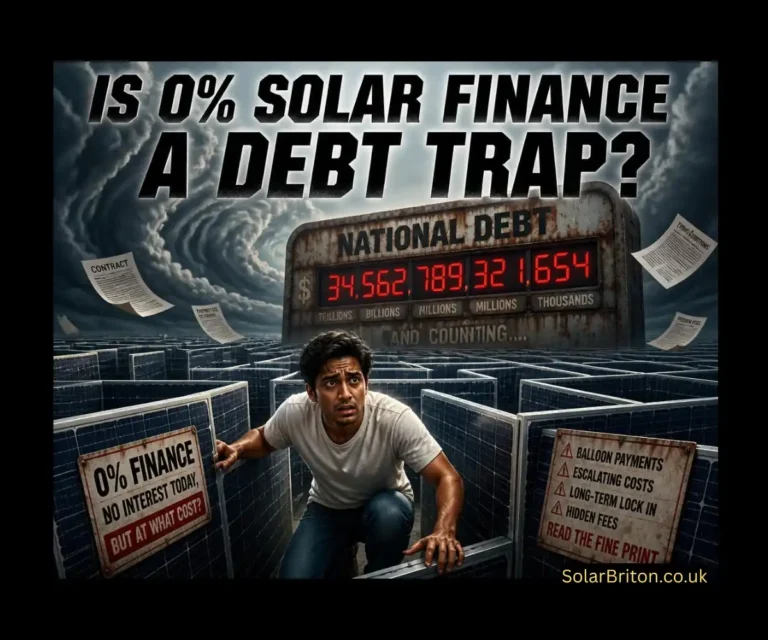
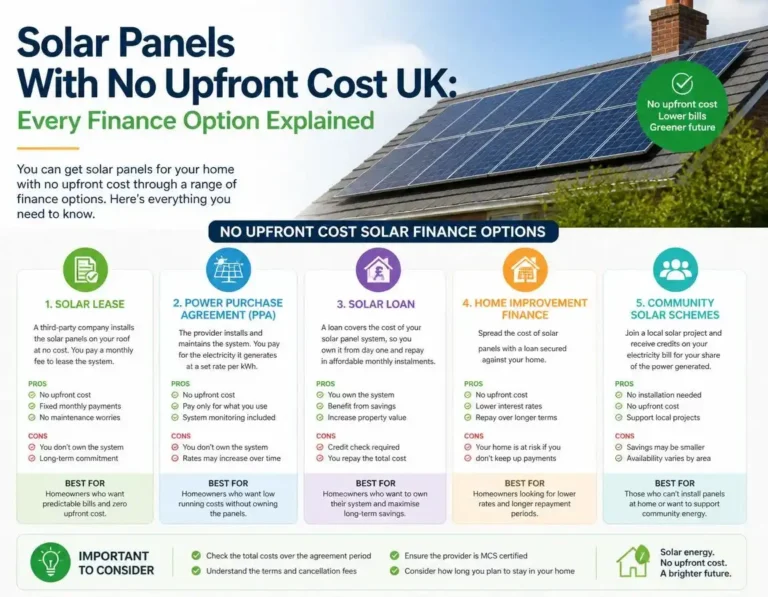
One more thing worth checking if you didn’t buy your system outright: who legally owns your panels matters for insurance too. A growing number of UK households are getting solar through 0%-deposit finance, leases, or “rent-a-roof” style deals rather than paying upfront, and our guide to solar panels with no upfront cost explains how those work. If a finance company or third party retains ownership of the panels, they may have their own insurance requirements written into your agreement, so check your contract as well as your home policy before assuming you’re covered either way.
If you live in a listed building or conservation area, you’ll likely need to check planning rules before installation, not just insurance. The government tightened and clarified permitted development rights for solar in recent updates, and you can read the detail on GOV.UK’s planning rules for solar. Panels installed without the right permissions can complicate both insurance claims and future property sales, so it’s worth getting right from the start.
Your Solar Panel Insurance Checklist
- ✔ Contact your insurer before installation, not after the system is fitted
- ✔ Update your buildings sum insured to include the full cost of your solar system
- ✔ Ask whether your solar system needs declaring separately under a single-item limit
- ✔ Confirm storm damage, fire, and theft are covered for your roof-mounted panels
- ✔ Check whether your policy covers theft from rooftops, not all of them do
- ✔ Consider adding optional accidental damage cover, it’s usually not standard
- ✔ Confirm where your battery is covered, buildings or contents insurance
- ✔ If you’ve financed or leased your panels, check your finance contract’s own insurance requirements
- ✔ If you have ground-mounted or plug-in panels, or a large array, explore specialist or contents cover
- ✔ Use an MCS-certified installer, it keeps you compliant and some insurers require it
- ✔ If buying a standalone specialist policy, check the provider is FCA-authorised and on the Financial Services Register
Quick Questions, Answered
Do I need specialist solar panel insurance in the UK?
Most homeowners don’t. Roof-mounted panels are usually covered as a permanent fixture under standard buildings insurance once you’ve declared them and updated your sum insured. A specialist policy (£70–£120 a year) is worth considering for large systems, ground-mounted arrays, or if you want cover for lost generation income.
What happens if I don’t declare solar panels to my home insurer?
It counts as material non-disclosure and can invalidate your entire policy, not just a solar-related claim. Even an unrelated claim, like a burst pipe, could be refused. Always tell your insurer before installation.
Does home insurance cover solar panel theft in the UK?
Usually yes for roof-mounted panels, but not universally, so check your policy wording. Ground-mounted and plug-in systems carry a higher theft risk and often need contents or specialist cover instead.
Related reading on SolarBriton
Sources: GOV.UK guidance on the Smart Export Guarantee and planning rules for solar; Energy Saving Trust average system cost data; MCS installation figures 2026. Insurance costs and coverage details are UK market estimates for 2026 and vary by insurer and property, always confirm specifics directly with your provider before installation.


8 Comments