
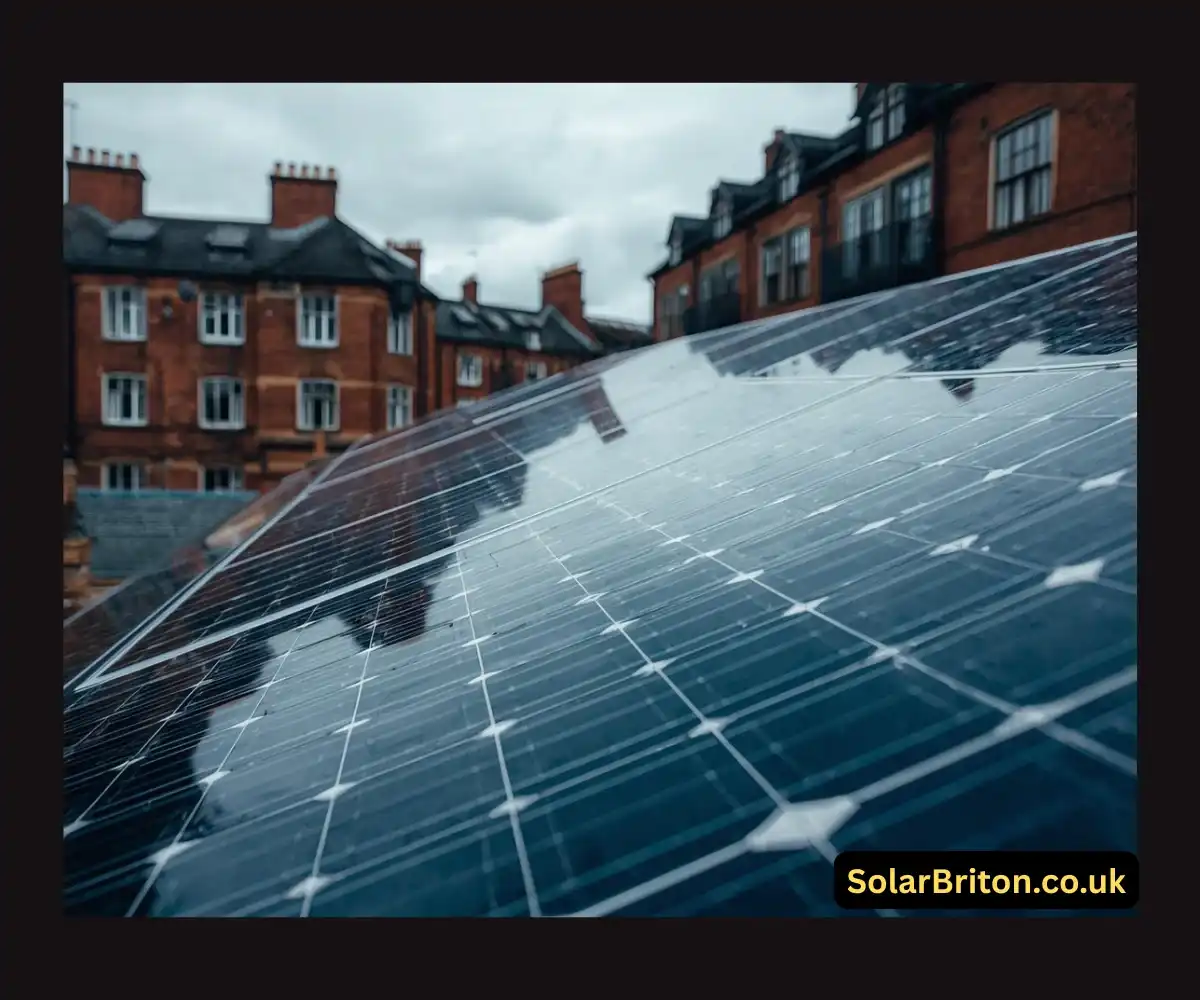
Do Solar Panels Work in Manchester? 2026 Cloudy Myth Busted

Do Solar Panels Actually Work in Manchester? (The Cloudy Weather Myth Busted)
“It’s too cloudy here” is the question I hear most. Here’s what the real 2026 data says about Manchester’s famously grey skies.
I hear this in nearly every conversation about solar in the North West: “doesn’t it rain too much here for panels to be worth it?” Fair question — Manchester’s grey-sky reputation is practically a national joke. But the science, and the real 2026 numbers, tell a different story.
The ScienceWhat Solar Panels Actually Need
Solar panels run on daylight, not direct heat or blue sky. Photons hitting silicon cells knock electrons loose and create a current, whether the light is direct or scattered through thick cloud. Even on a properly grey Manchester afternoon, a well-designed array typically operates at 10-25% of peak capacity in heavy cloud, and 50-80% in lighter, hazy cloud.
The cloud-edge bonus: when the sun breaks from behind a cloud, scattered light off the cloud edges can briefly push output above 100% of rated capacity — installers call it the “edge of cloud” effect, and it’s common in changeable North West weather.
How Much Power Do Panels Lose to Cloud?
Manchester vs the Rest of the UK
Here’s the surprise: the gap between Manchester and the sunny South coast is far smaller than it looks on paper.
| Region | Yield (kWh/kWp) | 4kW system/year | vs UK avg |
|---|---|---|---|
| Cornwall (best in UK) | 1,050 | 4,200 kWh | +17% |
| Yorkshire | 880 | 3,520 kWh | -2% |
| Manchester / Lancashire ★ | 860 | 3,440 kWh | -4% |
| UK national average | 900 | 3,600 kWh | — |
| Scottish Highlands (lowest) | 750 | 3,000 kWh | -17% |
Manchester sits only 4% below the UK average for solar yield, and just 18% behind Cornwall, the sunniest spot in the country. Hardly the “won’t work here” reputation.
Myth-BustingThe Cool Climate Advantage
❌ THE MYTH
Solar panels need scorching heat to perform well, so cooler northern cities lose out.
✅ THE FACT
Panels lose roughly 0.3% efficiency for every degree above 25°C. Manchester’s mild 8-12°C average is actually closer to ideal operating temperature than a baking summer roof in southern Spain.
This is one of the most overlooked facts in solar. Heat makes panels less efficient, not more — so Manchester’s cooler, breezier climate quietly claws back some of that 4% irradiance gap.
Real NumbersWhat This Means for Your Bills in 2026
A typical 4kW system in Manchester costs £6,000-£7,500 fully installed and generates around 3,400 kWh a year — translating to £700-£1,000 in annual savings. Most households reach payback in 6 to 9 years, helped by 0% VAT and Smart Export Guarantee payments for surplus exported to the grid.
The Germany comparison: Germany gets similar — sometimes lower — sunshine than much of the UK, yet remains one of the largest solar markets on Earth. Weather was never the real barrier; it was cost and awareness.
Do You Need Planning Permission?
Most Manchester homes don’t need one. Roof-mounted solar typically falls under permitted development rights, so no application is needed unless you’re in a conservation area or listed building. The push is real: the UK government has set a target of 70GW of solar power by 2035, and cutting planning red tape is part of how it gets there.
FAQsFrequently Asked Questions
So, Is It Worth It?
Manchester’s weather is a far smaller factor than people assume.
A 4% gap to the UK average and an 18% gap to Cornwall simply isn’t the dealbreaker it’s made out to be — especially with cooler-climate efficiency gains and today’s shorter payback periods. The myth was always bigger than the reality.
Check out how many solar panels are required in the U.K.
Check out Best SEG Tariff Rates UK
Check out Solar Panel Grants U.K.

2 Comments