
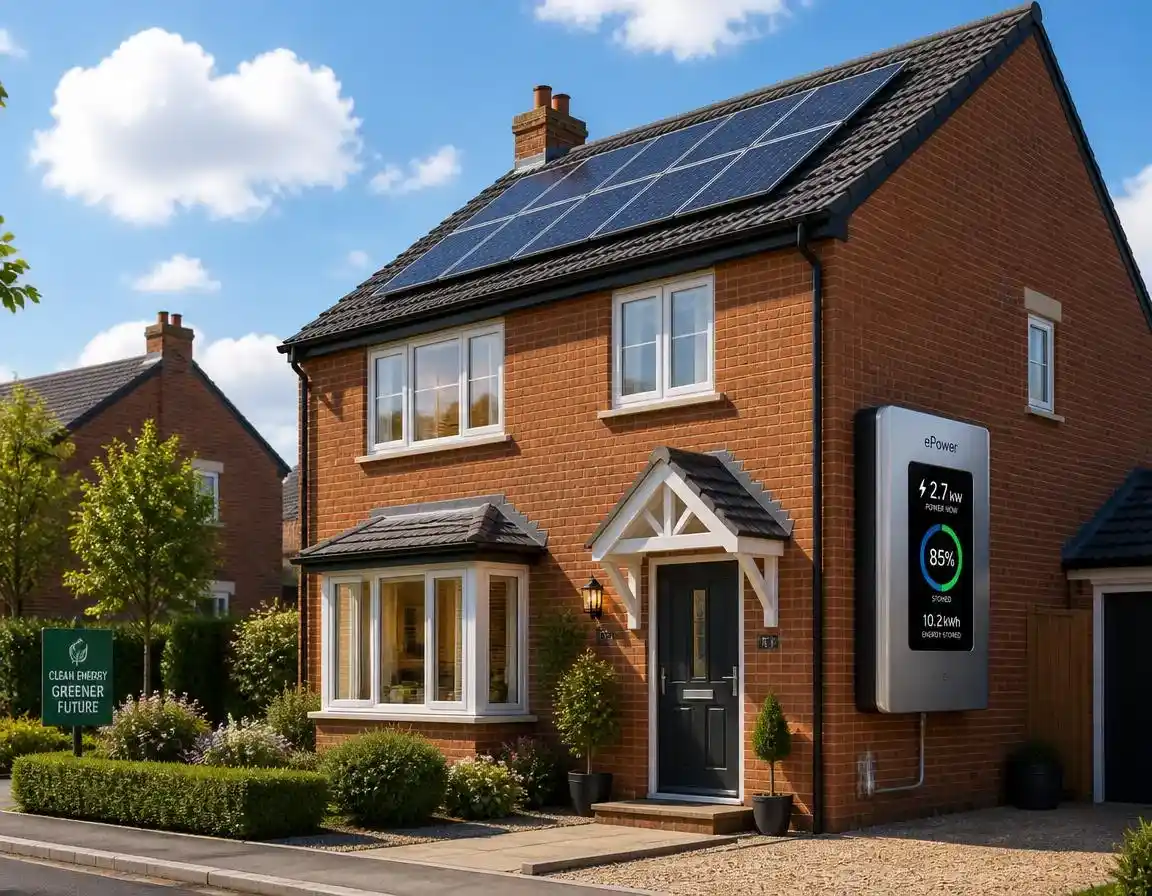
Make Money From Home Battery Storage

Home Battery Storage UK 2026: Costs, Grants & Real Savings Guide
Nobody can deny that the electricity bills in the UK are going up again. Ofgem confirmed a 13% price cap rise from 1 July 2026, pushing the standard unit rate to 26.11p/kWh. It’s not great news. So it’s no wonder home battery storage has gone from niche tech to mainstream conversation. I’ve worked through the real 2026 numbers — costs, grants, tariff tricks, and which brands you can actually trust right now — so you don’t have to wade through the sales copy.
The basics
What Does a Home Battery Actually Do?
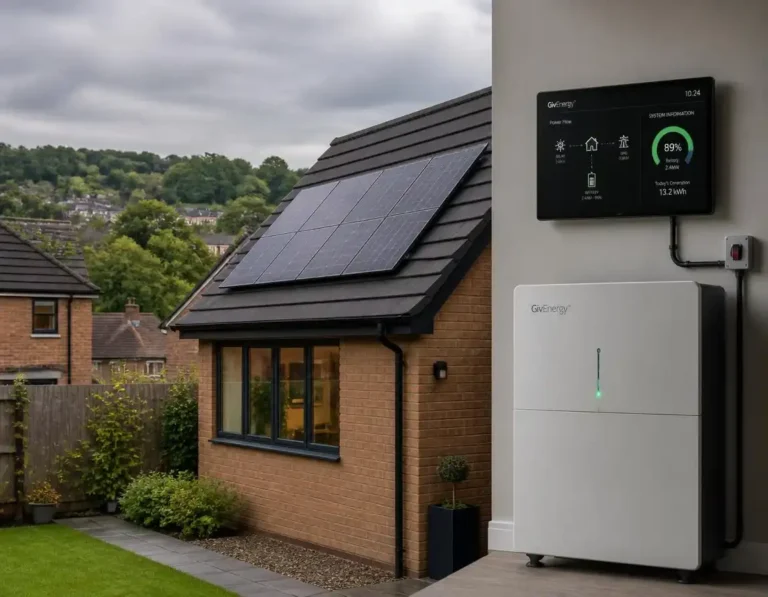
In simple terms: it stores electricity for when you need it. Got solar panels? A battery saves the surplus your panels make around midday so you can use it in the evening. No solar? You can still win — charge the battery overnight on a cheap off-peak tariff and run your home on that stored power during the day, instead of paying 26p/kWh to the grid. The tech is genuinely reliable now, and the economics have shifted considerably in homeowners’ favour.
2026 pricing
What Does Home Battery Storage Cost in 2026?
Battery prices have fallen roughly 40% over the past four years. Better still, every residential installation currently qualifies for 0% VAT until 31 March 2027 — that’s a 20% saving automatically applied before you even start shopping around. Here’s where prices sit right now:
| System Size | Typical Capacity | Installed Cost (inc. 0% VAT) | Best For |
|---|---|---|---|
| Entry level | 5 kWh | £2,500 – £4,000 | 1–2 bed homes, small solar arrays |
| Mid-range | 10 kWh | £4,000 – £6,500 | Most UK family homes |
| Tesla Powerwall 3 | 13.5 kWh | £9,000 – £11,500 | Large homes, EV owners, whole-home backup |
📊 2026 Installed Cost Comparison (£, mid-range estimates)
Grants & incentives
Can You Get a Grant for Battery Storage?
Most homeowners can’t access a direct cash grant specifically for battery storage right now — but there are some genuinely useful routes.
🟢 Warm Homes: Local Grant — Free for lower-income households
If your household income is below £36,000 (or you’re on means-tested benefits), you could qualify for battery storage as part of a 100% government-funded home energy upgrade — zero contribution required. Applications go through your local authority. Check your eligibility on the GOV.UK Warm Homes: Local Grant guidance page ↗.
🔵 0% VAT — Every home battery installation qualifies
This applies automatically to all residential battery installations until 31 March 2027. On a typical £5,000 system, that’s £1,000 you don’t pay. After March 2027, VAT reverts to 5% — so there’s a real incentive to act before then.
🟡 Heat Battery Grant — £2,500 launching in 2026/27
A new £2,500 grant for thermal heat batteries (which store energy as heat, not electricity) is launching through the government’s Boiler Upgrade Scheme ↗ in 2026/27. Worth noting: this is different from a standard electrical home battery.
Where the money is
Smart Tariffs: The Real Game Changer
Here’s what most articles don’t say clearly enough: your energy tariff matters as much as the battery itself. At the standard Ofgem Q2 2026 rate of 24.67p/kWh, a battery is useful. But on Octopus Go, you can charge overnight for just 9p/kWh. That 15p spread adds up to roughly £550 a year on tariff arbitrage alone for a 10kWh system — before a single solar panel generates a watt.
Tesla Powerwall 3 now has native integration with Octopus Intelligent Flux, automatically managing charge and discharge timing around cheapest grid prices. That integration adds another £200–£250 a year on top of standard self-consumption savings. With solar, a well-configured system can reach £1,250/yr in combined savings.
💰 Estimated Annual Savings by Setup (UK average home, 2026)
Brand guide 2026
Which Home Battery Should You Buy?
⚠️ GivEnergy update — April 2026
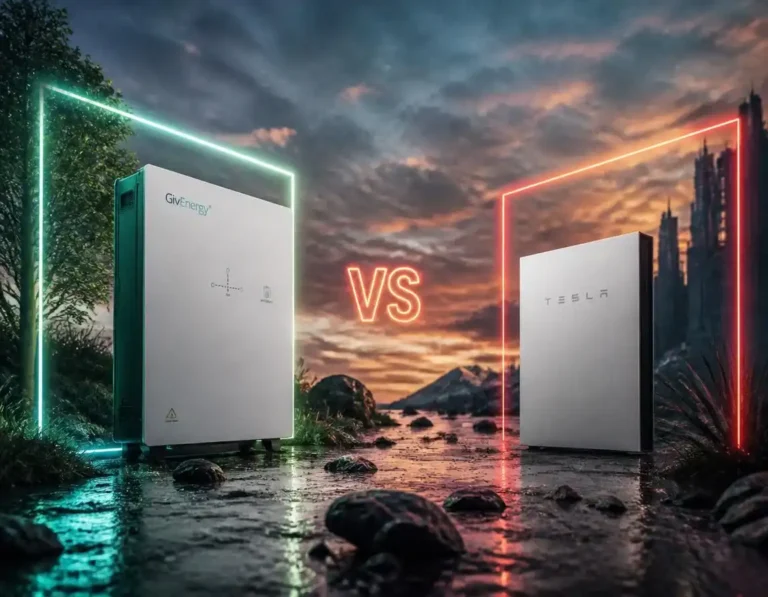
GivEnergy, previously one of the UK’s most-installed battery brands, entered administration in April 2026. Already-installed units continue to work normally — but I’d strongly advise against buying new GivEnergy hardware until the situation resolves. It’s a significant shift in the UK market.
| Battery | Capacity | Installed Cost | Key Strength | Status |
|---|---|---|---|---|
| Tesla Powerwall 3 | 13.5 kWh | £9,000–£11,500 | Built-in inverter, Octopus Flux integration, 97.5% efficiency | ✓ Recommended |
| Sigenergy SigenStor | 5–30 kWh | £4,000–£10,000 | Modular, V2G ready, expandable | ✓ Recommended |
| Enphase IQ Battery | 5–15 kWh | £2,500–£5,000 | AC-coupled, easiest retrofit option | ✓ Good option |
| Myenergi Libbi | 5–10 kWh | £2,500–£4,500 | Works brilliantly with Zappi EV charger | ✓ Good option |
| GivEnergy | 5–13.5 kWh | N/A | Popular UK brand — existing installs unaffected | ⚠ In administration |
The honest verdict
Is Home Battery Storage Actually Worth It?
For most solar households on a smart tariff, the numbers stack up well. A 5–10kWh battery typically adds £500–£800 per year on top of existing solar savings, with payback in 7–10 years. Switch to Octopus Flux and that shortens to 5–7 years — comfortably within the 10-year warranty life.
Without solar, tariff arbitrage using Octopus Go saves roughly £550/year. On a mid-range 10kWh system at around £5,000, you’re looking at about 9 years to payback. Tight, but workable — particularly as electricity prices have just risen again.
📅 Estimated Payback Period by Scenario (years)
When it probably doesn’t make sense
Skip the battery if: you plan to move within five years, your annual electricity use is under 2,000kWh, you’re not willing to switch to a time-of-use tariff, or your installer quote is over £900 per kWh installed (there’s enough competition in 2026 that you shouldn’t be paying premium prices).
Before you buy
Five Things to Sort Before You Commit
- Always collect at least three quotes from MCS-certified installers — prices genuinely vary by hundreds of pounds for the same system.
- Install a battery alongside new solar panels where possible — sharing labour saves £500–£1,500 compared to a standalone retrofit later.
- Switch to a time-of-use tariff first — it costs nothing to set up and starts saving money immediately without any hardware.
- Confirm smart meter compatibility before purchasing; almost every modern battery requires one, and many older homes still don’t have them fitted.
- The Government’s Consumer Loan Scheme for home energy storage is confirmed for April 2027 — worth waiting for if your finances are stretched right now.
Common questions
Frequently Asked Questions
How much does home battery storage cost in the UK in 2026?
In 2026, a 5kWh system costs £2,500–£4,000 installed, a 10kWh system runs £4,000–£6,500, and a Tesla Powerwall 3 (13.5kWh) comes in at £9,000–£11,500. All residential installations currently qualify for 0% VAT until 31 March 2027 — that’s a 20% saving applied automatically.
Can I get a grant for home battery storage in the UK?
If your household income is below £36,000 (or you’re on means-tested benefits), the Warm Homes: Local Grant could fund your battery installation at 100% — no contribution required. A new £2,500 heat battery grant is also launching through the Boiler Upgrade Scheme in 2026/27. All homeowners benefit from 0% VAT on installation until March 2027. Check eligibility on GOV.UK ↗.
What is the payback period for home battery storage in the UK?
On a solar-plus-battery system with a standard tariff, payback is typically 7–10 years. Switch to a smart time-of-use tariff like Octopus Flux and this can shorten to 5–7 years. A battery-only setup running Octopus Go tariff arbitrage typically pays back in around 8–10 years — within the 10-year warranty life of most current batteries.
Ready to Transform Your Home’s Energy?
Join thousands of UK homeowners saving hundreds every year with solar and battery storage. Get your tailored quote today.
Get a Free QuoteLast updated: July 2026 · Data sources: Ofgem.gov.uk (Q2 & Q3 2026 price cap), GOV.UK Warm Homes: Local Grant. All costs include 0% VAT and are mid-range estimates; get multiple quotes before purchasing.


6 Comments